
1. Introduction: More Than Just a Game
Preparing for a basketball championship is no walk in the park. It’s a full-blown mission—think strategy, sweat, science, and a whole lot of heart. It’s not just about showing up and shooting hoops. Nope. It’s a months-long grind that blends tactics, teamwork, and tenacity.
So how do teams get ready to shine when it matters most? Let’s break it all down.


2. Building the Dream Team
2.1 Scouting and Recruiting
Championships start long before the first whistle blows. It begins with building the right squad. Coaches scout players not just for talent but for hustle, attitude, and how well they’ll fit into the bigger puzzle. One superstar doesn’t win titles—teams do.
2.2 Team Chemistry and Dynamics
It’s not enough to have good players. They’ve gotta click. A team that gels off the court will pass better, defend harder, and fight longer on the court. Practices often include bonding exercises to ensure everyone’s on the same wavelength.
3. Crafting a Winning Game Plan
3.1 Studying Opponents
Knowing your enemy is half the battle. Teams study game footage, analyze opponent tendencies, and zero in on weaknesses. It’s like cramming for a final—only with more sweat.
3.2 Strategic Playbooks
From pick-and-rolls to zone defenses, coaches craft detailed playbooks that are tailored to their team’s strengths and their opponent’s weaknesses. It’s chess on hardwood.
4. Physical Training Regimen
4.1 Strength and Conditioning
You can’t compete if you’re out of shape. Players hit the gym hard—lifting, sprinting, jumping, and grinding to build the kind of explosive power that wins games.
4.2 Speed, Agility, and Endurance
4.2.1 High-Intensity Drills
Drills are fast, furious, and focused. Think cone drills, shuttle runs, and suicides. They’re brutal but necessary.
4.2.2 Recovery Sessions
Recovery isn’t a luxury—it’s a requirement. Ice baths, massages, and stretching sessions are built into the training cycle to keep players fresh and injury-free.
5. Sharpening Basketball Skills
5.1 Shooting and Ball Handling
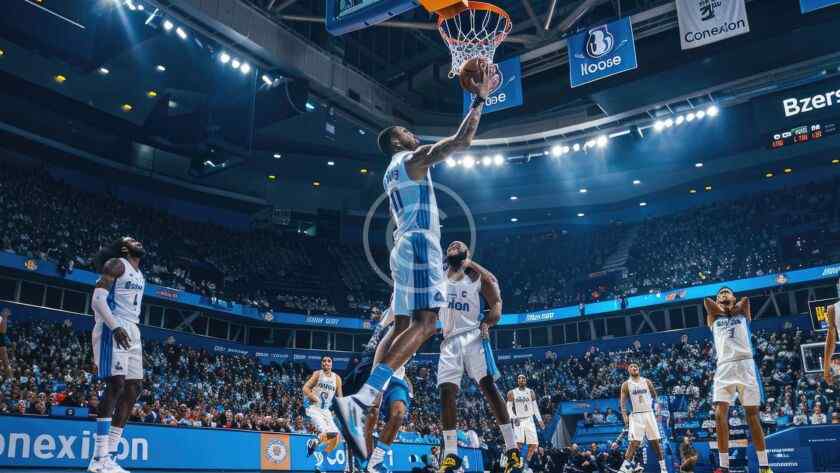
From free throws to three-pointers, reps matter. Players shoot hundreds of shots a day, perfecting their form and muscle memory.
5.2 Defense and Rebounding
You win championships with defense. Teams drill footwork, reaction time, and rebounding techniques relentlessly. It’s gritty, grind-it-out work—but it pays off.
6. Mental Preparation and Psychology
6.1 Visualization and Focus
Players mentally rehearse scenarios—clutch shots, defensive stops, last-minute plays. Visualization builds confidence and keeps the mind sharp under pressure.
6.2 Managing Pressure and Anxiety
Sports psychologists often work with players to manage nerves. Breathing exercises, meditation, and routines help keep the jitters in check when the lights are brightest.
7. Nutrition and Recovery
7.1 Diet Tailored for Athletes
No junk food here. Players follow strict meal plans packed with protein, healthy fats, and complex carbs. Hydration is a priority too—no cramping allowed.
7.2 Sleep and Muscle Recovery
Elite players treat sleep like a training session. Eight hours minimum, often more. It’s during sleep that muscles repair, energy stores replenish, and minds reset.
8. Scrimmages and Exhibition Games
8.1 Simulating Real Game Pressure
Nothing replaces game-time pressure like… more games. Teams schedule scrimmages to replicate the championship vibe—crowds, refs, and all.
8.2 Evaluating Team Readiness
Coaches use these matches to tweak strategies, experiment with lineups, and test clutch-time decisions. Think of it as dress rehearsal before opening night.
9. Coaching and Leadership
9.1 Motivating the Team
Great coaches are also great motivators. Whether it’s a fiery speech or quiet confidence, their leadership sets the tone for how the team performs under pressure.
9.2 In-Game Decision-Making Practice
Situational drills help players make split-second choices. Do you call a timeout? Take the shot? Pass? These moments are practiced until they become instinct.
10. Dealing with Injuries
10.1 Prevention Strategies
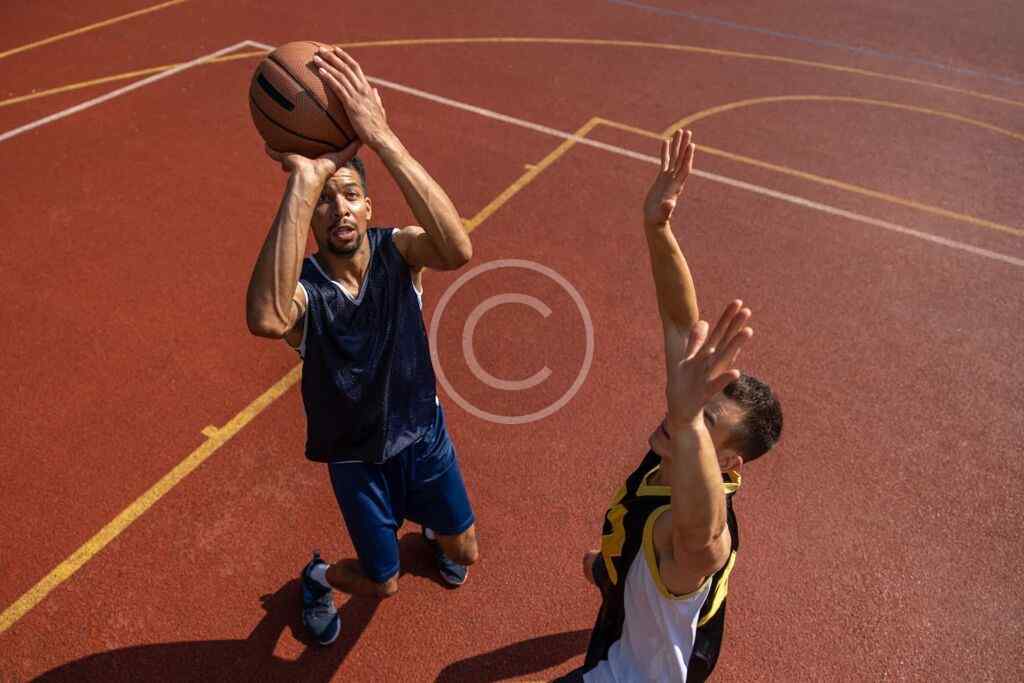
Prehab is real. Players stretch, foam-roll, and undergo mobility work to keep their joints healthy and bodies primed.
10.2 Quick Recovery Protocols
Despite the best precautions, injuries happen. Teams have medical staff ready with treatment plans to get players back on court ASAP.
11. Team Bonding Activities
11.1 Off-Court Chemistry
Movie nights, team dinners, escape rooms—you name it. Off-court fun helps build the trust needed when the game’s on the line.
11.2 Trust-Building Exercises
These go beyond fun and games. Trust falls, team-building retreats, and workshops help deepen communication and respect.
12. Fine-Tuning the Roster
12.1 Adjusting Roles and Minutes
Not everyone’s a starter. Coaches evaluate who plays when, and who plays where, based on matchups, stamina, and momentum.
12.2 Rotational Strategy
Depth wins championships. Bench players are prepped to step in seamlessly, and rotations are adjusted for optimal energy and execution.
13. Adapting to Tournament Rules
Different leagues, different rules. Teams prep for variations—like shot clock timing or foul limits—so there are no surprises.
14. Countdown to Tip-Off
As game day nears, practices taper, nerves spike, and focus narrows. Final walkthroughs, pep talks, and strategy reviews take center stage. It’s go time.
15. Conclusion: Grit Behind the Glory
Basketball championships aren’t won by chance. Behind every buzzer-beater and shiny trophy are countless hours of sweat, planning, and sacrifice. It’s a grind—but it’s also a journey. A championship team is built one rep, one pass, one pep talk at a time. The glory? That’s just the final chapter of a story written with blood, sweat, and no shortage of hustle.
16. FAQs
Q1: How far in advance do teams start preparing for a championship?
A: Preparation usually starts months in advance—sometimes even a full year—especially at the professional or collegiate level.
Q2: Do players follow special diets during training?
A: Absolutely. Nutrition is personalized for performance, often involving sports nutritionists who ensure players fuel up right.
Q3: How do coaches handle nerves before a big game?
A: Coaches use routines, mental prep, and sometimes humor to lighten the mood. Experience plays a big role in managing those jitters.
Q4: What’s the role of bench players in preparation?
A: Bench players are crucial. They keep the starters sharp in practice and are always ready to step in when needed.
Q5: Is team bonding really that important?
A: 100%. Teams that trust each other off the court tend to perform better under pressure. Chemistry can be a game-changer.
Let me know if you’d like this article turned into a blog format or published with SEO metadata!