1. The Role of Cinematography in Formula 1
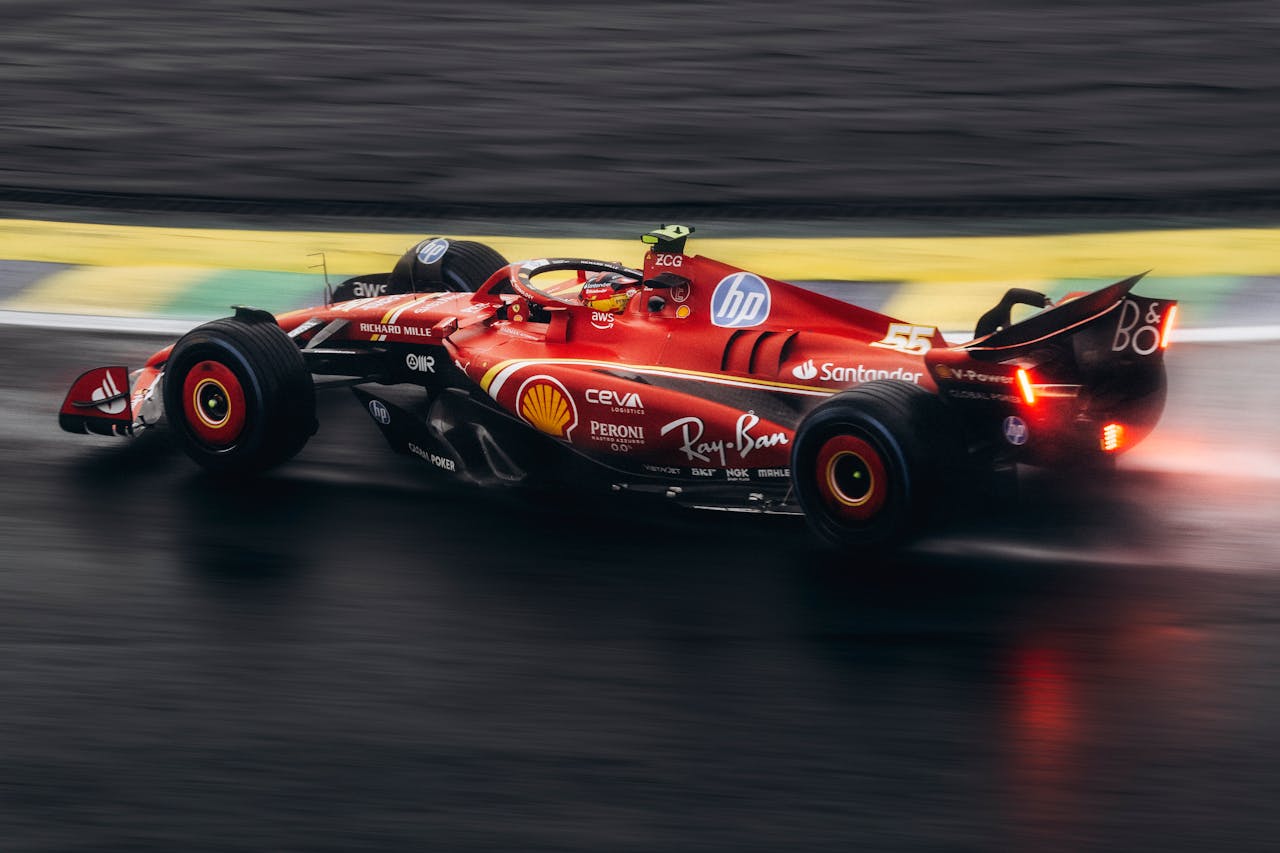
At first glance, you might think Formula 1 is just about speed and strategy. But storytelling plays a major role—and that’s where cinematography comes in. Every turn, pit stop, and collision must be translated into visual drama for fans across the globe.
F1 cinematographers aim to:
- Capture speed without blurring
- Highlight battles on track
- Convey the atmosphere of global races
- Maintain broadcast continuity
Achieving this requires a deep understanding of both motorsport and film-making science.
2. High-Speed Cameras: Freezing the Action
One of the biggest challenges is shooting cars that move at over 200 mph. Standard broadcast cameras fall short. Formula 1 uses high-speed cameras capable of capturing up to 1,000 frames per second to ensure clarity.
These cameras help:
- Analyze mechanical failures during replays
- Show tire wear and degradation in close-up
- Highlight driver reflexes in split-second decisions
The most famous example is the “super slow-mo” replay, which adds an epic, almost surreal feel to moments like wheel-to-wheel battles or debris flying through the air.
3. Gyroscopic Stabilization: Steady Shots on the Move
To keep shots smooth even when tracking fast-moving cars, F1 uses gyroscopically stabilized camera systems. Whether mounted on a drone, helicopter, or mobile rig, these systems use inertial sensors to detect movement and instantly adjust the camera angle to counteract vibrations and motion.
This technology is essential when shooting from:
- Helicopters hovering above the circuit
- Onboard cameras inside F1 cars
- Trackside robotic arms that swivel in real time
The result? Seamless shots that make viewers feel like they’re inside the cockpit.
4. Telemetry Integration: Smarter Camera Switching
What makes Formula 1 coverage so responsive is its integration of real-time telemetry. Teams and broadcasters receive a constant stream of data—speed, gear, G-force, throttle, brake pressure, and even driver biometrics.
This data is used to:
- Trigger automatic camera switches when something notable happens
- Focus on high-speed zones where drama often unfolds
- Follow on-track rivalries using predictive AI
Thanks to this integration, every key moment is captured without delay, from overtakes to crashes.
5. Onboard Cameras: The Driver’s Point of View
Perhaps the most thrilling shots in F1 are those from onboard cameras. These tiny but powerful devices are installed:
- On the nose of the car
- On each sidepod
- Inside the cockpit (especially near the halo safety device)
Recent advancements include 4K resolution, high frame rates, and even 360-degree video capabilities. These features allow fans to feel every bump, turn, and gear shift—experiencing the race just as the driver does.
The cameras are also shockproof and weatherproof, built to withstand G-forces of over 5g and temperatures that can exceed 50°C.
6. Drone Footage: The New Aerial Frontier
While helicopters have long been used in F1, drones are now stealing the show. These are not your average consumer drones. Formula 1 deploys custom-built racing drones that can hit speeds over 100 mph while tracking an F1 car from above.
Benefits of drone shots include:
- Dynamic tracking angles on winding sections of track
- Bird’s-eye views of chicanes and pit lane drama
- Quick deployment in tight areas where helicopters can’t fly
Drone footage is revolutionizing how we view circuits like Monaco, Spa, and Suzuka, with their complex layouts and rich scenery.
7. Artificial Intelligence: Predicting the Perfect Moment
Formula 1 broadcasts now rely heavily on AI-driven editing systems. These platforms analyze multiple data sources, including:
- Lap times
- Sector performance
- Driver behavior
- Crowd noise
By analyzing trends and anomalies, AI helps direct camera attention to areas of likely excitement. For instance, if two cars are approaching within a second of each other, the system preps a “battle box” view—splitting the screen or zooming in to show both cars simultaneously.
This intelligent decision-making ensures that viewers never miss critical moments, even before they fully unfold.
8. Lighting and Weather Adaptation
Not all races are held in the day. Night races, like those in Singapore and Las Vegas, bring unique challenges. F1 production teams use adaptive lighting systems and low-light cameras to maintain clarity.
Additionally, weather adaptation technology allows cameras to auto-correct for:
- Rain or fog
- Glare from sun or floodlights
- Shadow changes on partly cloudy days
This ensures broadcast quality remains high regardless of conditions—so viewers at home experience crystal-clear action, even during torrential rain.
9. Robotic Trackside Cameras: Precision in Positioning
F1 uses robotic camera arms at strategic points along the track—apexes, straights, and hairpins. These devices can:
- Rotate at high speed to track passing cars
- Zoom in instantly with pinpoint focus
- React to telemetry cues in milliseconds
The system is often pre-programmed with car trajectories based on simulations. So when Lewis Hamilton or Max Verstappen whips around a corner, the camera is already moving before the car is even in frame.
These robotic systems ensure high-precision visuals, perfect for analyzing tire slip angles or minor driver corrections.
10. Audio Engineering: The Sound Behind the Visuals
Let’s not forget the roar of the engines, the screech of tires, and the shouts from team radios. Capturing sound is just as scientific as capturing visuals.
F1 broadcasts use:
- Directional microphones hidden in track barriers
- Engine-mounted mics for real-time audio
- Noise cancellation algorithms to isolate crowd or wind interference
Sound is mixed live by expert audio engineers, ensuring each gear shift and throttle surge matches the visuals perfectly.
This fusion of sound and vision completes the immersive Formula 1 experience.
11. The Human Factor: Directors and Cameramen
While technology plays a huge role, there’s still no substitute for the human touch. Race directors must make real-time decisions, juggling dozens of live feeds, replays, and onboard angles.
They’re trained to:
- Recognize dramatic cues before they happen
- Choose angles that build narrative tension
- Avoid disorienting viewers with rapid or jarring cuts
Often compared to orchestra conductors, these professionals are the invisible force behind every breathtaking shot.
Conclusion: Speed Meets Storytelling
The perfect Formula 1 shot isn’t an accident. It’s the result of advanced science, engineering excellence, and creative brilliance working together at 200 mph. From gyroscopic cameras and telemetry-driven AI to aerial drones and onboard footage, every frame is carefully crafted to capture the drama, speed, and spirit of Formula 1 racing.
So the next time you’re watching an F1 race, remember: you’re not just seeing fast cars—you’re witnessing the cutting edge of broadcast science and innovation.
That’s the real beauty behind the perfect Formula 1 shot.