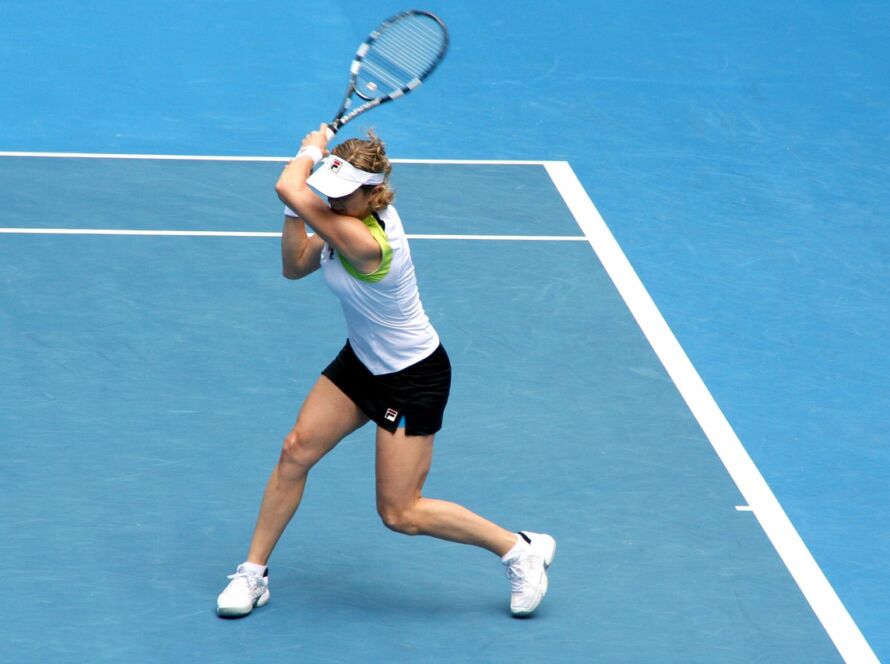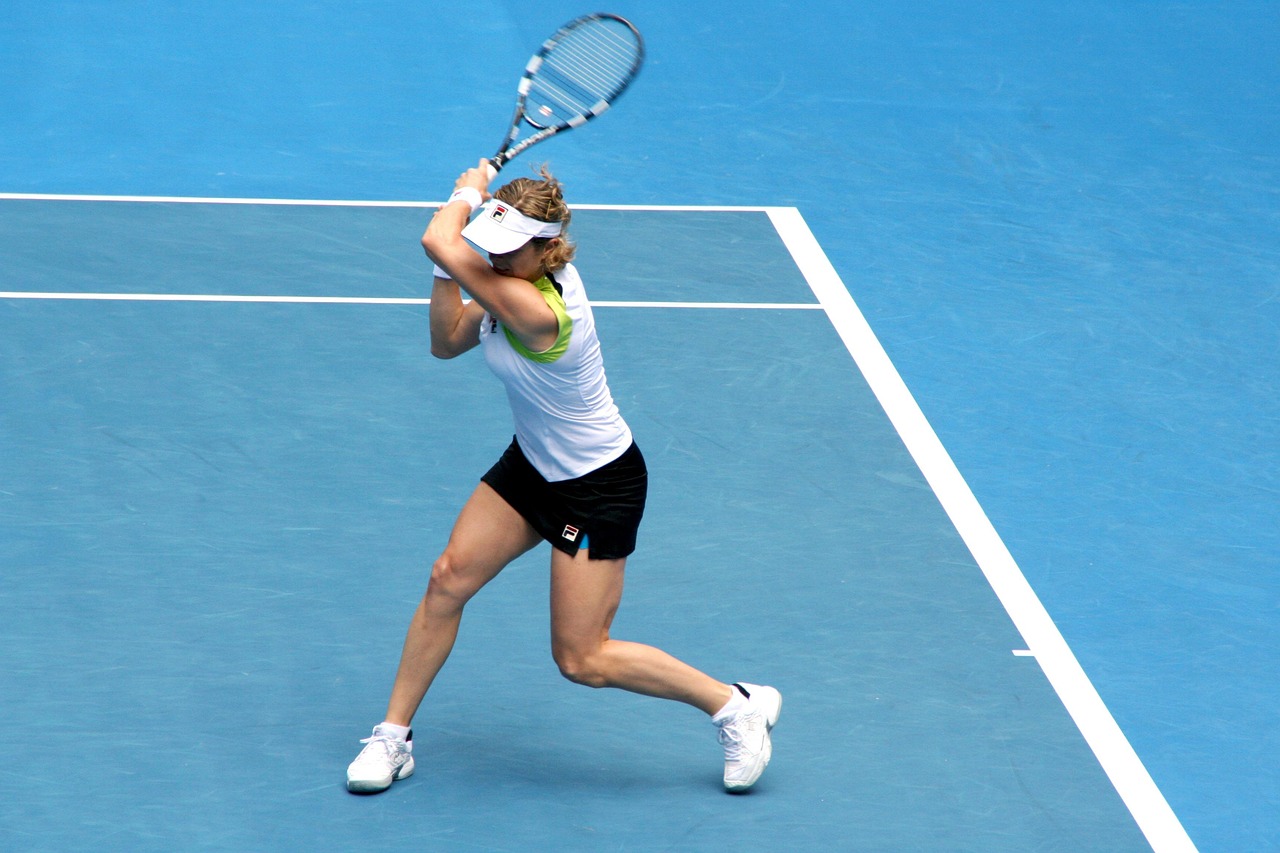
Competing in a tennis championship isn’t just about talent or a killer serve—it’s a full-blown team effort. Behind every winning ace is a well-oiled machine of people, processes, and planning. Let’s dive into what really goes on behind the scenes when teams gear up for tennis championships.
Understanding the Importance of Preparation
Preparation is everything. It’s the bridge between potential and performance. Teams don’t just show up hoping for the best—they lay the groundwork weeks or even months in advance. And it’s not just about hitting balls. It’s a calculated symphony of strategy, psychology, and science.
Building the Dream Team
Players and Coaches
Sure, the spotlight’s on the players—but coaches are the master planners. From technical tweaks to mental pep talks, they’re the driving force behind player readiness.
Support Staff: The Unsung Heroes
Think physiotherapists, nutritionists, analysts, stringers. They’re like the pit crew in Formula 1—working in the shadows, but without them, the player’s game would fall apart. Each team member plays a vital role in optimizing the athlete’s output.
Crafting the Perfect Training Schedule
Physical Conditioning
Strength, endurance, agility. These aren’t just buzzwords. Training includes gym sessions, sprint drills, agility ladders, and cardio. The goal? Stay strong through grueling five-set matches.
Skill Drills and Match Simulation
Practice makes perfect, right? But not just any practice—smart practice.
Serve and Return Practice
These are the opening chess moves. Hours are spent perfecting these crucial plays because they set the tone for every point.
Net Play and Baseline Consistency
Whether it’s a swift volley or a grinding rally, players train to control both the front court and the back. Coaches focus on rhythm, positioning, and shot selection.
Strategic Planning and Game Tactics
Studying Opponents
Ever heard of “knowing your enemy”? Teams review hours of opponent footage. Analysts break down tendencies, weaknesses, and patterns. They even know which way an opponent likes to serve on break point.
Developing Match Strategies
Armed with data, coaches devise a game plan: attack the backhand, serve wide on deuce, mix in drop shots—you name it. The aim? Disrupt the opponent’s comfort zone.
Mental Preparation is Key
Handling Pressure and Anxiety
Tennis can be a mental minefield. Players train with sports psychologists to manage nerves and keep cool under pressure.
Visualization and Focus Techniques
Visualization—imaging a perfect forehand or winning a tiebreak—helps hardwire success. Add mindfulness and breathing exercises, and players become mental fortresses.
Nutrition and Recovery
Tailored Diet Plans
Fuel equals performance. Nutritionists create personalized meal plans packed with proteins, carbs, and hydration strategies. Banana mid-match? There’s a reason.
Sleep and Active Recovery
Players track their sleep like hawks. Recovery tools—think ice baths, massage guns, compression therapy—help keep muscles fresh and minds sharp.

Choosing the Right Equipment
Rackets, Strings, and Shoes
It’s not one-size-fits-all. Players test different racket tensions, string materials, and grip sizes. Shoes? Must match the court surface—hard, clay, or grass.
Match-Day Gear Essentials
From overgrips to sweatbands to electrolyte gels—players pack their bags like pros. Forget one item and it could rattle their rhythm.
Traveling and Acclimating to Venues
Getting Used to Altitude and Weather
Ever played tennis in 95°F heat? Or at 7,000 feet elevation? Teams arrive early to adjust and train in local conditions.
Practicing at the Venue
Court speed, bounce, lighting—it all affects play. Practicing on the championship courts helps players fine-tune timing and movement.
Pre-Match Routines and Rituals
Warm-Ups and Pep Talks
Stretch, jog, rally—standard stuff. But some players blast music, meditate, or even bounce the ball a “lucky” number of times. Rituals bring comfort.
Locker Room Strategies
Quiet focus or team huddle? Each player has their own mojo. Some review notes; others joke to loosen up. It’s about finding the zone.
During the Championship: In-Game Adjustments
Coaching From the Sidelines
In tournaments where coaching is allowed, signals and pep talks can shift momentum. A quick “stay aggressive” could turn a match around.
Reading the Opponent Mid-Match
Plans can change on the fly. Players are trained to read opponent body language, adapt tactics, and exploit openings as they arise.
Post-Match Analysis and Recovery
Video Reviews and Stat Breakdowns
Win or lose, every match gets dissected. What worked? What didn’t? Analytics help tweak strategy for the next round.
Managing Fatigue Through Rounds
Recovery is a race. Ice baths, stretching, protein shakes—every minute counts between matches. Sleep becomes a sacred ritual.
The Role of Team Chemistry
Communication On and Off Court
Good vibes = better performance. Teams that communicate well adjust better mid-match and recover faster from setbacks.
Motivation and Morale Boosting
Losses sting, but a tight-knit team bounces back. Whether it’s a joke, a pep talk, or just being there, emotional support is the glue.
Conclusion
So, how do teams prepare for tennis championships? It’s a meticulous, high-stakes, no-stone-unturned process. From gym grinds to brain hacks, match analysis to banana snacks—it’s a crazy blend of science, spirit, and strategy. Championships aren’t won on game day; they’re won in the preparation. Next time you see a player lift a trophy, remember: there’s an entire team lifting with them.
FAQs
1. How long before a tournament do players start preparing?
Typically, preparation starts 6–8 weeks before a big event. It includes physical training, match practice, and mental conditioning.
2. Do all players travel with a full team?
Top-level pros usually do, including coaches, physios, and nutritionists. Lower-ranked players may travel with just a coach or alone.
3. How do players handle jet lag and time zone differences?
They arrive several days early to adjust sleep cycles and diet. Some even use light therapy and melatonin for quicker adaptation.
4. Can players change tactics during a match?
Absolutely! Players are trained to adapt strategies based on how the match unfolds—even if it means tossing out the original plan.
5. What’s the most underrated aspect of preparation?
Mental prep. You can be physically fit, but if your mind isn’t locked in, you’re toast under pressure.