Tennis isn’t just about hitting a ball back and forth—it’s an art, a science, and a mindset. Whether you’re a weekend warrior or an aspiring pro, keeping your tennis skills razor-sharp requires more than just showing up. It’s about practice, intention, and yes, a bit of obsession.
Why Staying Sharp in Tennis Matters
You might’ve heard the phrase “use it or lose it.” In tennis, that’s gospel truth. Skill fade is real. The moment you stop pushing yourself, your game can plateau—or worse, decline. But the good news? With the right habits, your skills can not only stay sharp—they can reach new heights.
Developing a Consistent Practice Routine
If you’re not practicing regularly, you’re playing catch-up every time you hit the court. Think of your practice like brushing your teeth—non-negotiable.
Daily Drills That Make a Difference
Drills don’t have to be fancy to be effective. Shadow swings, cone drills, and short-court rallies build your muscle memory without needing a full match.
Building Muscle Memory Through Repetition
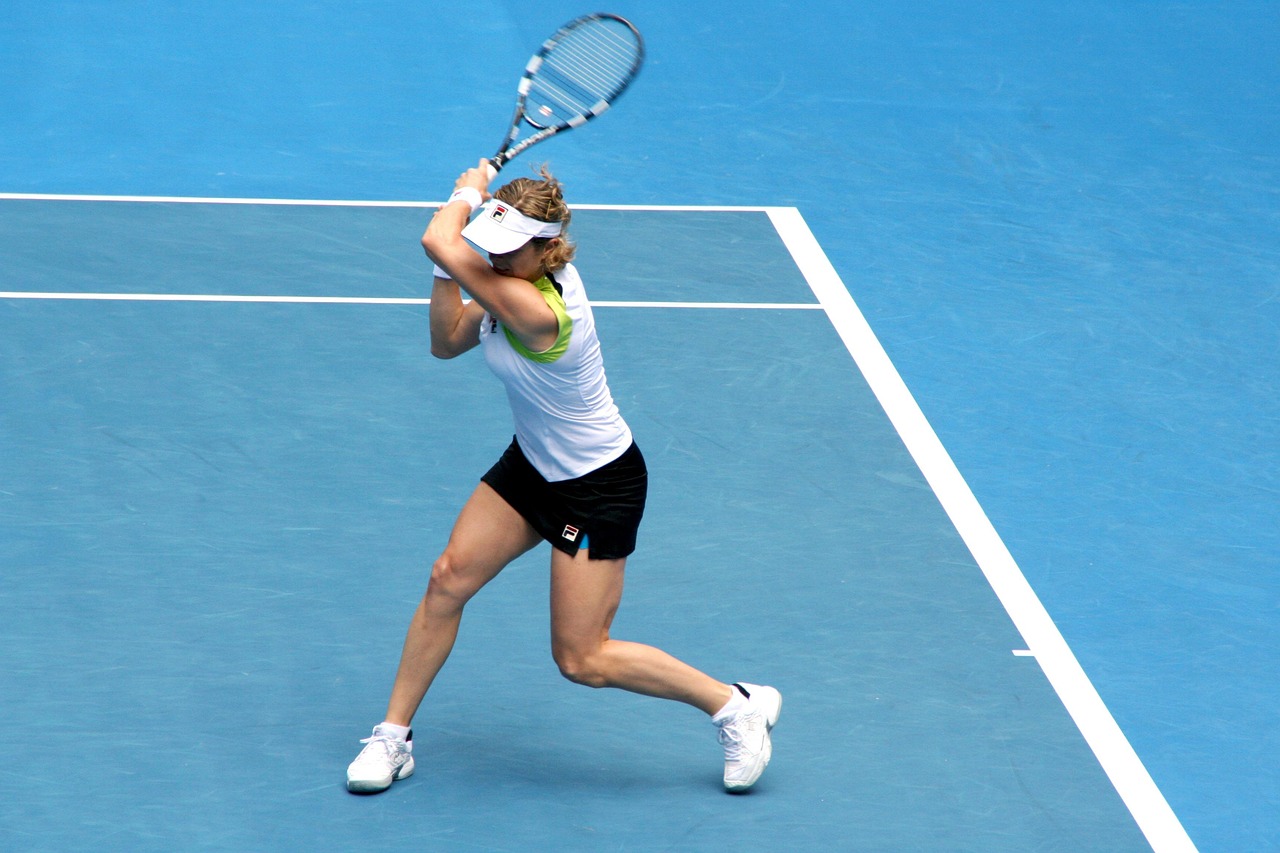
Do you want your backhand to be automatic under pressure? Then repeat it until it becomes second nature. Repetition builds neural pathways that make your movements more efficient and reliable.
Mastering the Fundamentals Again and Again
Let’s be real—everyone wants to hit flashy shots. But fundamentals are the glue that holds your game together.
Footwork is Everything
You can have a killer swing, but if your feet aren’t in the right place, it’s useless. Fast, controlled footwork keeps you balanced and ready for anything.
Perfecting the Serve – Your Secret Weapon
Your serve is the only shot you control completely. Spend time dialing it in. Vary your placement, add spin, and practice under pressure.
Back to Basics: Forehands and Backhands
Revisit these shots regularly. Focus on contact point, racquet angle, and follow-through. The cleaner your basics, the more confident you’ll be.
Train Smarter, Not Just Harder
Training smart beats training long. It’s not about grinding for hours—it’s about purpose-driven reps.
Tracking Progress with Video Analysis
Record yourself during practice. You’ll notice things you never feel on the court—like lazy footwork or inconsistent follow-through.
Using Drills with Specific Goals
Don’t just rally for fun. Set goals like “20 consecutive cross-court forehands” or “3 out of 5 serves in the corner.” Make it measurable.
Staying Mentally Sharp on the Court
Tennis is a mental game. Sometimes, it’s not your body that gives out—it’s your focus.
Visualization Techniques
Before matches, close your eyes and picture yourself hitting clean winners, acing your serve, and keeping cool during long rallies. Mental rehearsal works.
Managing Match Nerves Like a Pro
Nervous? Good. That means you care. Breathe deeply, stick to your routines, and focus on your game plan—not the scoreboard.
Play Against Better Opponents
Want to level up fast? Play people who wipe the floor with you.
Why Losing is a Learning Opportunity
Every tough match exposes your weaknesses—and that’s a gift. You learn more from one good loss than a dozen easy wins.
How to Seek Out Higher-Level Players
Check out local clubs, tournaments, or ladder leagues. Don’t be afraid to ask better players for a hit—they remember being in your shoes.
Cross-Training and Fitness for Tennis Longevity
Tennis demands strength, stamina, and agility. Your off-court training is just as important.
Building Endurance with Cardio
Interval runs, jump rope, or court sprints can boost your stamina. You’ll notice the difference in long matches.
Strength Training for Powerful Shots
Focus on compound lifts like squats, lunges, and deadlifts. Strong legs = explosive movement. Strong core = better control.
Nutrition and Recovery Tips for Tennis Players
You can’t out-train a bad diet—or a lack of sleep.
What to Eat Before and After Practice
Eat carbs and protein pre-practice (like a banana with peanut butter). Afterward, replenish with lean protein and complex carbs to rebuild muscle.
Sleep and Recovery: The Unsung Heroes
Your body recovers when you sleep. Aim for 7–9 hours. Throw in a rest day or two. Recovery isn’t lazy—it’s smart.
Staying Updated: Learn from the Pros
Pros train with intention. You can borrow their methods and mindset.
Following Tennis Trends and Techniques
Stay current on new training methods, racquet tech, and strategy shifts. Tennis is evolving—so should your approach.
Watching Professional Matches with Intention
Don’t just watch for entertainment. Focus on how pros build points, recover after tough rallies, and manage momentum shifts.
Joining the Tennis Community
Tennis can be lonely if you let it. Being part of a tennis tribe keeps you motivated and inspired.
Local Clubs and Online Forums
Join a league, find a hitting group, or connect through apps. Online forums like r/tennis on Reddit are full of knowledge and camaraderie.
Finding a Coach or Mentor
A good coach sees what you miss. Even one session a month can sharpen your technique and keep your growth on track.
Conclusion
Keeping your tennis skills high and sharp isn’t about talent—it’s about habits. From disciplined practice to smart training, mental preparation, and community support, there’s no magic trick. It’s a grind—but a joyful one if you’re passionate about the game. Keep showing up, keep learning, and keep swinging. You’ve got this.
FAQs
1. How often should I practice to stay sharp in tennis?
Ideally, 3–5 times a week, mixing in drills, matches, and fitness work. Even 30 minutes a day can keep your game fresh.
2. Can I improve my tennis game without a coach?
Absolutely. Videos, online drills, and self-analysis help a lot. But periodic coaching accelerates growth and corrects bad habits.
3. What’s the fastest way to improve my serve?
Focus on consistency first. Record your serve, analyze your toss, and practice placement over power.
4. Is gym training necessary for tennis players?
Yes. Strength and cardio enhance your performance, reduce injury risk, and improve stamina.
5. How do I stay motivated when I hit a plateau?
Set new goals, play different opponents, or try a new format like doubles. Change injects energy and breaks the monotony.