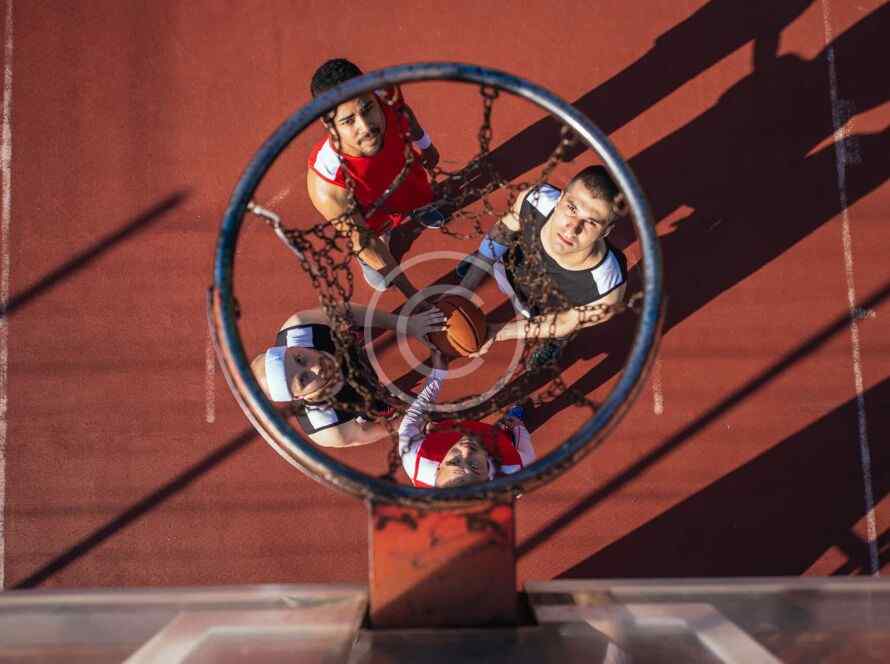
Basketball is a game of finesse, timing, and precision. From the casual streetball player to professional NBA sharpshooters, there’s one common goal: making the perfect shot. But what exactly goes into the art of sinking that flawless jump shot or nailing a buzzer-beating three-pointer?
It turns out there’s a lot of science involved — from biomechanics to physics, psychology, and even environmental conditions. In this comprehensive guide, we’re diving deep into the science behind perfect basketball shots, giving you insights that can help elevate your game to the next level.
The Role of Biomechanics in Shooting
Biomechanics is the foundation of every basketball shot. It’s all about how your body moves — and in basketball, shooting involves a synchronized effort from your feet to your fingertips.
To achieve a perfect shot, your body mechanics must be in harmony. This includes:
-
Proper stance (feet shoulder-width apart)
-
Bending the knees to generate power
-
Aligning the elbow under the ball
-
Smooth wrist flick upon release
Biomechanically, the ideal shot relies on a kinetic chain where power is transferred from the ground up. Think of your legs as the engine, your core as the transmission, and your arms as the steering wheel.
Optimal Arc: The Sweet Spot in Trajectory
Ever notice how some shots seem to swish through the net with elegance, while others clank off the rim? The difference often lies in the arc.
Studies have shown that the optimal angle for a basketball shot is between 45 to 55 degrees. A higher arc gives the ball a larger entry area into the hoop, improving the chances of a successful shot.
Too flat? It’s like trying to throw a dart into a moving target. Too high? You’re wasting energy and increasing variability. Aim for that sweet arc — high enough to clear defenders, low enough to stay consistent.
Backspin: More Than Just Style
When watching slow-motion replays of basketball shots, you’ll notice a consistent backspin. This isn’t just for style — it’s science.
Backspin creates what’s known as the Magnus effect, which helps stabilize the ball in flight. It also:
-
Softens the bounce on the rim or backboard
-
Improves the chance of the ball dropping in even if it contacts the rim
-
Gives shooters more control over distance
Practicing a consistent backspin can transform your shot from wild guesswork to controlled precision.
Finger Placement and Release Timing
Let’s talk fingers — they’re more important than you think.
Correct finger placement ensures control and consistency. Ideally, the ball should rest on your fingertips, not your palm. This allows you to feel the ball and control its release.
Timing, on the other hand, is everything. The perfect release occurs at the peak of your jump, giving the ball a clean lift and reducing the chance of a defender blocking it.
Many elite shooters use a quick “snap” of the wrist — a fluid motion that finishes high and gives the ball that essential backspin.
The Mathematics of Shot Probability
Believe it or not, shooting isn’t just art — it’s mathematics.
Statisticians and sports scientists have crunched the numbers on what makes a shot statistically more likely to succeed. For example:
-
Shots from straight on (dead center) have higher make percentages
-
Corner threes are closer and often more open, making them high-value shots
-
Free throws are uncontested, yet psychological factors often cause misses
Understanding these numbers can help you optimize your shot selection and improve your shooting efficiency.
Muscle Memory and Neural Training
Shooting is not just physical — it’s deeply neurological. Your brain plays a crucial role in developing the consistency needed for a reliable shot.
Through repetition, your body creates muscle memory. This is why drills, form shooting, and practice reps are vital. Over time, your body learns:
-
How to generate the right force
-
The correct shooting angle
-
The timing of the release
Neuroscientific studies have shown that with enough repetition, your brain builds strong neural pathways that help you replicate the perfect shot under pressure.
The Psychology of Shooting Under Pressure
A perfect shot is often as much about the mind as the body. That’s why even the best shooters sometimes miss under pressure.
Psychological elements such as:
-
Confidence
-
Focus
-
Mental visualization
-
Game-time anxiety
…can all affect your shooting performance.
Many pros use mental rehearsal techniques, visualizing themselves making the shot before they even take it. This primes the brain to expect success — and that confidence often turns into real-world results.
Environmental Factors That Influence Shots
Even the most mechanically sound shot can be disrupted by external variables.
Consider:
-
Altitude (higher elevations = thinner air, less resistance)
-
Crowd noise and distractions
-
Lighting in the gym or arena
-
Temperature and humidity, which affect grip and ball feel
Adapting your shot to the environment is part of becoming a versatile shooter. The best players quickly assess the conditions and make micro-adjustments on the fly.
Equipment: How the Ball and Hoop Matter
Let’s not ignore the gear. The basketball itself, the net, and even the rim all influence your shot.
Key factors include:
-
Ball size and weight (men’s vs. women’s vs. youth)
-
Grip texture and material
-
Rim stiffness or flexibility
For instance, older balls with worn-out grip can slip off your fingers, disrupting your release. Practicing with game-quality equipment helps simulate real-game conditions, making your form more reliable.

Drills to Build the Perfect Shot
Now that we’ve covered the science, let’s put it into action. Here are some drills that incorporate all the principles we’ve discussed:
-
Form Shooting: Start close to the basket and focus on mechanics.
-
One-Hand Shooting: Build wrist control and backspin consistency.
-
Free Throw Ladder: Make 5 in a row before moving back one step.
-
Around the World: Practice from various angles to master trajectory.
-
Pressure Shooting: Simulate game-time pressure with countdowns or distractions.
Practice isn’t just about volume — it’s about intentional, focused repetition. Quality over quantity is the mantra of elite shooters.Data and Analytics in Modern Shooting
In today’s game, players aren’t just practicing — they’re analyzing. Technology and analytics have revolutionized the way athletes train.
Tools like:
-
Shot-tracking systems (Noah, ShotTracker)
-
Motion sensors
-
Slow-motion video playback
-
AI-powered shooting coaches
…allow players to break down their form frame by frame, track shooting percentages from different spots, and get real-time feedback.
Incorporating data into your shooting routine can help eliminate guesswork and accelerate improvement.
Emulating Great Shooters: Lessons from the Pros
Want to shoot like Stephen Curry or Ray Allen? Study their routines, mechanics, and mental approach.
These athletes:
-
Spend hours perfecting their form
-
Understand the science behind their success
-
Make shooting part of their identity
Take note of their pre-shot routines, how they adjust mid-game, and how they stay mentally locked in even during slumps. There’s always a science behind their seemingly effortless shots.
Conclusion: Turn Science Into Swishes
Making the perfect basketball shot isn’t just about talent or luck — it’s a symphony of science, practice, and mindset. From biomechanics and physics to psychology and data analytics, the journey to shooting excellence is paved with knowledge.
Whether you’re a high school player, a weekend warrior, or dreaming of the pros, understanding the science behind perfect basketball shots gives you an edge. Now that you know what goes into that flawless release, it’s time to hit the court, put the theory into action, and start swishing with purpose.
So the next time you drain a shot and someone says, “Nice one,” you can smile and say, “Thanks — it’s science.”